
Meadow High School
Strategies For Supporting Your Child At Home

Strategies to help a young person achieve
and maintain a calm & alert state at home.
By Juliette Kerin Occupational Therapist
Meadow High School, April 202
(Powerpoint Presentation is attached at the bottom of the page)
THE AIM OF THIS PRESENTATION IS TO HELP YOU:
-
Be able to recognise a person's level of alertness
-
Be able to identify which strategies best help your young person achieve and maintain a calm and alert state.
If you have any questions following this presentation, please feel free to contact the Occupational Therapists in the Therapy Team at Meadow High School
There are 3 states of alertness that a person can be in, they are:
-
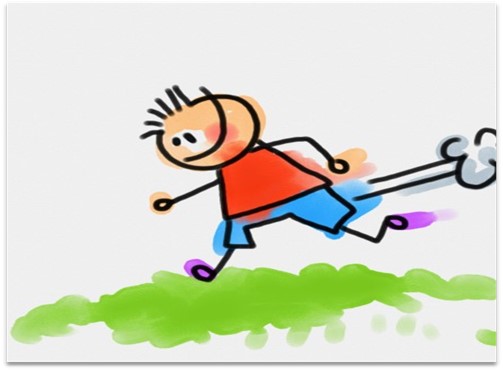
High State of Alert
-
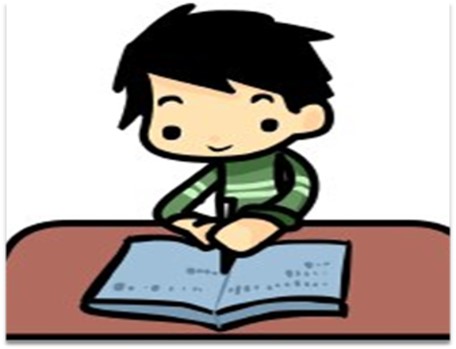
Just Right State of Alert
-
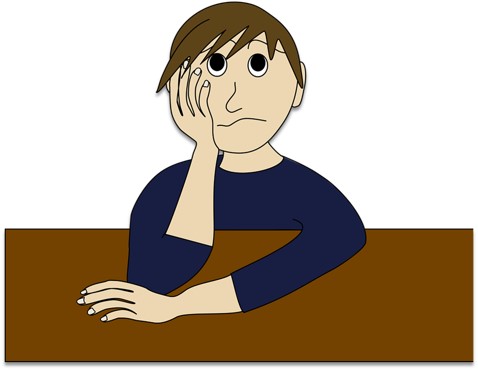
Low State of Alert

A person in a HIGH state of alert may:
- Have difficulty sitting at a desk/table
- Be running around the room
- Be talking quickly
- Be overstimulated
- Be hyped up
- Be hyperactive
- Be wild
- Be out of control
A person in a JUST RIGHT state of alertness for the
task they are doing, may appear:
- Focused
- Attentive
- Ready to listen
- To be having fun
- To be looking and listening to the
person speaking - To sit easily in a chair in an upright
position at a desk/dining table, - To be playing well
- Calm
A person in a LOW state of alert may
appear:
- Slow moving or be slow to move
- Find it hard to get going
- Lethargic
- Spaced out
- Droopy
- Slouched on a chair or sofa
- Be resting their chin on their hands
when sitting at a table or desk
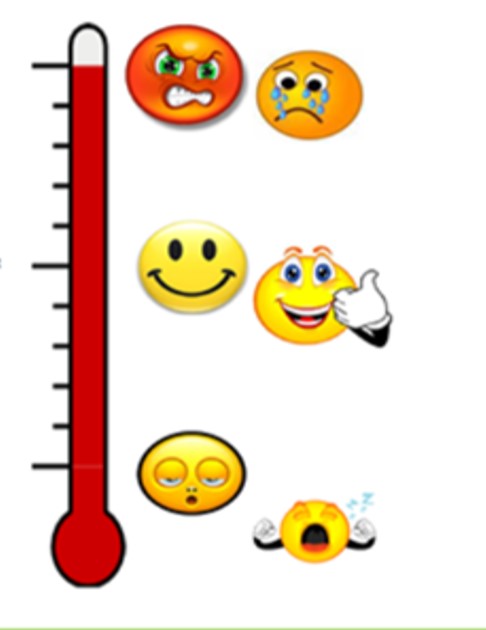
High High State of Alert
Just Right State of Alert
Just Right State of Alert
There are 5 sensory-motor inputs that can be
used to help a person change their state of alertness, these are:


Take a moment to think about what you do in the morning to move from a low state of alertness to a just right state of alertness, so that you feel ready to cope with the day ahead.
You might:
- Have a hot drink of tea or coffee (Mouth)
- Go for a walk or a run (Move )
- Have a hot or cold shower (Touch )
- Prefer bright or dim light to wake you up (Look)
- Listen– to loud fast music eg: rock or pop music
It is important to remember that we are all different and like different types
of sensory input at different times
and
that what works one day for us won’t necessarily work the next day -
this is the same for our young people,
so
it is important that we use a variety of sensory-motor inputs
to help us and them at different times.
WARNING:
Before moving onto the next slide please remember that some of our young people may need proper supervision when lifting objects and if they have a neck or back problem or other medical conditions please contact the Therapy Team to find out if they can safely carry out these activities before trying them.
Below are some activities that can help a person in a high or a low state of alert achieve and maintain a calm alertness.
Helping with housework eg:
- Carrying a heavy load – shopping from the car, a laundry basket or box of toys
- Sweeping the floor with a big brush or mopping the floor
- Wiping down the kitchen or dining table
- Helping to move furniture
- Digging in the garden or raking up leaves
- Cleaning Windows
Other activities that can help are:
- Pushing/Pulling games eg: tug of war
- Chair Push Ups or Table Push Ups
- Wall presses
- Head presses
- Lying under a heavy blanket or pile of pillows
- Jumping jacks or skipping
- Sipping a cold drink of water through a straw or sports top bottle
- Having a chewy snack eg cheese string, bagel or a crunchy snack eg crackers, breadsticks
Please see Appendix 1
General strategies that can help a person
move from a high state of alert to a just right
state of alert are:
- Having a quiet space at home where they can go if it gets too noisy. It could be their bedroom or a place that is not visually distracting and has dim lighting. It could be a corner of a room set up with cushions or you could use a pop up tent or make a den with a blanket and chairs
- Talking to the young person in a quiet slow dull voice
- Playing soft calming music
- Introduce crunchy foods (eg crisps) and chewy foods (eg: popcorn)
- Sucking a drink through a straw or sports top drinks bottle
- Lying under a heavy duvet/blanket
- Carrying out heavy work tasks
General strategies that can help a person
move from a low state of alert to
a just right state of alert are:
- Fast vigorous movements such as bouncing or jumping
- Spinning one way and then the other
- Dancing to fast up-tempo music
- Bright lighting
- Talking to the young person in a lively excited voice
- Playing lively music
- Introduce different texture & temperature foods (for example crunchy foods such as muesli or cold snacks eg: ice lollies)
- Sucking a cold drink through a straw or sports cap bottle
 The next step is for you to identify what strategies your young person is already using and the effect these strategies have on their state of alertness.
What do they already put in their mouths? Do they:
- Prefer crunchy or chewy foods?
- Chew on their pen tops or clothing when they are concentrating?
What do they use in the move category? Do they like to:
- Spend time swinging or spinning?
- Pace about while telling you a story?
- Watch TV draped upside down over a sofa?
What are their preferences in the touch category?
- Do they tap their pencils on the table while thinking or love to snuggle underneath a heavy duvet or with a favourite soft toy?
- What kinds of clothing textures do they prefer to wear?
What type of visual environment does your young person work best in? Do they:
- Work best with a clear desk or do they seem to prefer lots paper and things around them while they work?
- Decorate their bedroom with lots of bright colourful posters or do they prefer few visual distractions?
What type of auditory input does your young person like? Do they: - Listen to music while doing their homework or do they prefer silence to study in?
- Listen to music when they are learning a new topic or only when they are completing homework on a familiar topic?
When you’ve identified what works for your young person you can work these strategies into their day eg: if you know that they become hyper after having lunch and they like being squashed under cushions you could get them to try some arm hug exercises or carefully squash them under a pile of cushions.
Appendix 1
Calming & Alerting Activities
If any of these exercises cause pain or discomfort stop immediately and please contact an Occupational Therapist in the Therapy Team.
Wall Presses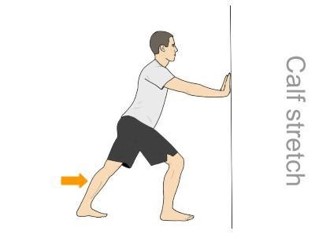
Put one leg forward and the other leg back.
hen push wall for a count of 10
(keeping arms straight)
Change legs and push wall again for a
count of 10
Head Presses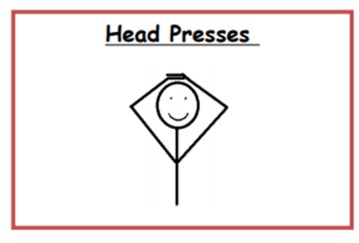
Look straight ahead - Keep your neck
straight and place both hands on your
head and firmly press down
Hold for 10 seconds and repeat 5 times
Chair Push Ups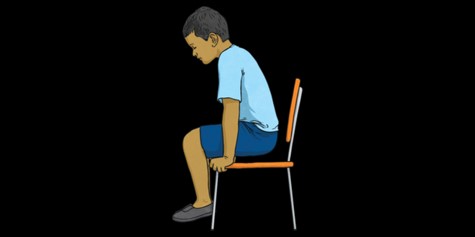
Put both hands at the side of the chair
and push up (as is you are going to stand
up) keep your feet on the floor – hold for 5
seconds & sit down again – repeat 5 times
Square Breathing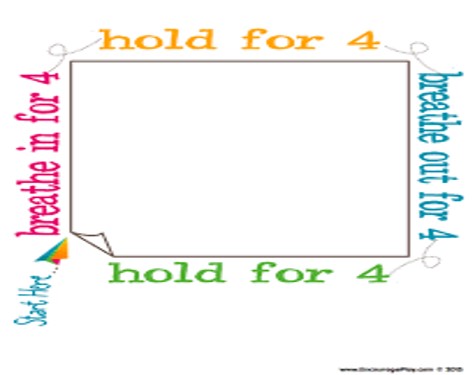
1.Slowly breathe in through the nose for 4 seconds
2.Hold your breath for 4 seconds
3.Slowly breathe out through the mouth for 4 seconds
4.Hold your breath for 4 seconds
5.Repeat 5 times
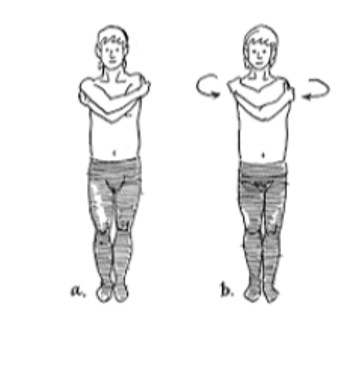 Arm Hug Squeezes
Cross your arms and place both hands
on your shoulders and then squeeze firmly
for a slow count of 10 and then release
– repeat 5 times
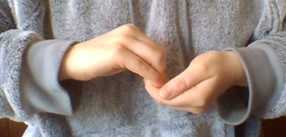
Pushing Hands Together & Pulling fingers
Push the palms of your hand together firmly
and hold for a count of 10.Then hook the fingers
of both hands together at chest height and firmly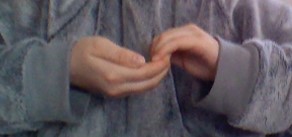
pull for 10 seconds then repeat exercise with
other hand on top
Sipping Cold Water 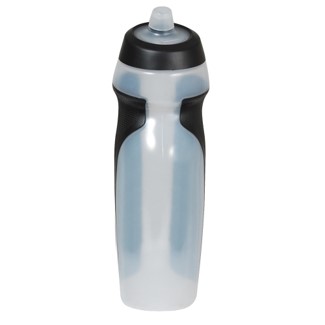
 Hand Squeezes
Squeeze ball slowly and rhythmically 10
times in one hand and then swap hands
If you don’t have a squeeze ball don’t worry
just clench and open your fist slowly &
rhythmically for a count of 10 times & then
swap hands.