
Meadow High School
Head Lice
Dear Parents
As the weather has been unseasonably warm we have become aware that an increased number of head lice are enjoying the warmer weather
For further information on treating and removing head lice without any chemical treatments, please see the advice on the school website.
What are head lice and nits?
- Head lice are tiny grey/brown insects. They are about the size of a sesame seed (the seeds on burger buns). Head lice cling to hairs, but stay close to the scalp which they feed off. Head lice lay eggs which hatch after 7-10 days. It takes about 10 days for a newly hatched louse to grow to an adult and start to lay eggs.
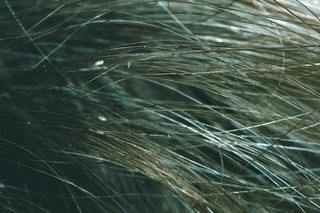
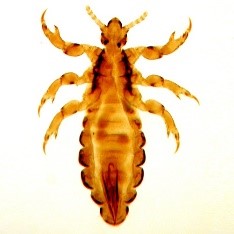
- Nits are the empty white egg shells which are left when the lice hatch. Nits can look like dandruff, but stick strongly to hair. Unlike dandruff, you cannot easily brush out nits.
Who gets head lice?
Head lice are common in children, but can affect anyone of any age. They are not a sign of dirty hair or poor hygiene. Close 'hair to hair' contact is usually needed to pass lice on. Head lice cannot jump or fly, but walk from one head to another. They soon die when away from hair, and do not live in clothes, bedding, etc. Most head lice infections are caught from family or close friends who are not aware that they have head lice.
What are the problems with head lice?
Most people with head lice do not have any symptoms. An itchy scalp occurs in about 1 in 3 cases. This is due to an allergy to the lice, not due to them biting. It often takes about three months for itch to develop after you are infested with lice. Therefore, you may not notice that you have head lice for a while, and you may have passed them on to others for some time. Head lice and nits do not wash off with normal shampoo. Head lice do not cause any other medical problems. In most cases the head is not 'crawling with lice'. Commonly, there are less than 12 lice present.
How can you tell if you have head lice?
Head lice are difficult to find just by looking in the hair. If you suspect that your child (or you yourself) has head lice, it is best to do 'detection combing'. Some people advise that you do this to children's hair regularly, about once a week.
Detection combing:
- Wash the hair in the normal way with ordinary shampoo.
- Rinse out the shampoo and put on lots of ordinary conditioner.
- Comb the hair with a normal comb to get rid of tangles.
- When the hair is untangled switch to a detection comb. This is a special fine-toothed comb that you can buy at chemists. (The teeth of normal combs are too far apart).
- Slot the teeth of the detection comb into the hair at the roots so it is touching the scalp.
- comb with the detection comb through to the tips of the hair.
- Repeat this in all directions until you have combed all the hair.
- Check the comb for lice after each stroke. A magnifying glass may help.
- If you see any lice, clean the comb by wiping it on a tissue or rinse it before the next stroke.
- Comb over a white surface such as white paper. This is so that any head lice that are flicked out by the comb are easy to see.
- After the whole head has been combed, rinse out the conditioner.
- While the hair is still wet, use an ordinary comb to get rid of tangles.
- Repeat the detection combing in the rinsed hair to check for any lice that you might have missed the first time.
- It takes about 15-30 minutes to do detection combing, depending on how thick the hair is.
Learn about head lice infestation and management by reading: